Brisbane Storm Season Gutter Guide: The Ultimate Roof & Gutter Checklist
Is Your Home Ready for the Brisbane Storm Season?
G'day, Michael here from Sparkle Window Cleaning. Every year, from November to April, Brisbane and South East Queensland get hammered by severe summer thunderstorms. We're talking about torrential rain, hail, damaging winds, and flash flooding. As locals, we know that when the sky turns that eerie shade of green over the D'Aguilar Range, it's already too late to start preparing.
If you live in coastal spots like Redcliffe, Scarborough, or Sandgate, the mix of high wind, driving rain, and corrosive salt spray is brutal on your property's exterior. Further inland in leafy suburbs like Joyner, Cashmere, and Bridgeman Downs, the massive gum trees drop a staggering amount of debris directly onto your roof. And let's not forget the beautiful but messy Jacarandas in places like Paddington and The Gap – those tiny needles are a real menace for gutters!
At Sparkle Window Cleaning, we see the aftermath every single year. Overflowed gutters causing hundreds of litres of water to flood into ceiling cavities. Mould growing silently in damp, waterlogged eaves. Preventable structural damage that costs homeowners thousands of dollars in emergency repairs. It's a real shame, mate, because most of it could have been avoided.
The good news? The vast majority of storm-related water damage is entirely avoidable with proper pre-season maintenance. Think of it as your home's annual health check-up before the big wet season kicks in.
Don't Wait Until It's Too Late!
Protect your biggest investment before the heavy rains hit. Get a free, no-obligation gutter cleaning quote in North Lakes and surrounding suburbs today.
Understanding Queensland's Unique Weather Challenges
Brisbane's subtropical climate is beautiful, but it brings extreme weather patterns that are unlike anywhere else in Australia. During the peak of summer, a typical afternoon "supercell" thunderstorm can dump a month's worth of rain in less than an hour. We've all seen those incredible downpours that turn streets into rivers in minutes.
When this volume of water hits your roof, your home's drainage system—your gutters and downpipes—must be completely clear to handle the flow. Even a small blockage caused by a tennis ball, a bird's nest, or a handful of eucalyptus leaves can cause a catastrophic backup. It's not just the volume, but the sheer intensity of the rain that overwhelms compromised systems. Booking a professional gutter cleaning before the wet season is the simplest way to make sure your system can cope.
The True Cost of Blocked Gutters: More Than Just a Drip
Water always finds the path of least resistance. When a gutter is full of debris, the water cannot escape down the downpipe. Instead, it rises and overflows. While some water spills harmlessly over the front edge, much of it flows backwards—under your roof tiles, over the fascia board, and straight into your walls and ceilings. This isn't just a minor inconvenience; it's a serious threat to your home's integrity and your family's safety.
The resulting damage is extensive and often hidden until it's too late:
- Ceiling Collapses: Soaked plasterboard loses its structural integrity and can cave in under the weight of trapped water. Imagine coming home to a collapsed ceiling – it's a nightmare scenario that happens more often than you'd think.
- Electrical Hazards: Water pooling around downlights and wiring creates extreme fire and electrocution risks. This is particularly dangerous in older homes where wiring might not be as robust.
- Black Mould Growth: The humid Brisbane climate is the perfect breeding ground for toxic black mould, which thrives in damp, poorly ventilated roof spaces and wall cavities. This can lead to serious respiratory issues for your family.
- Foundation Erosion: Water overflowing uncontrollably can wash away the soil around your home's foundation, leading to settling and structural cracking. This is a long-term problem that can be incredibly expensive to fix.
- Timber Rot and Pest Infestations: Constant dampness in eaves and wall cavities leads to timber rot, weakening your home's structure. It also creates an inviting environment for termites, cockroaches, and other pests seeking moisture and shelter.
The Ultimate "Pre-Storm" Checklist for Northside Homes
Before the storm clouds gather, run through this comprehensive checklist to ensure your property is protected. This isn't just about avoiding damage; it's about peace of mind when the next big one rolls in.
1. The Visual Gutter and Downpipe Inspection
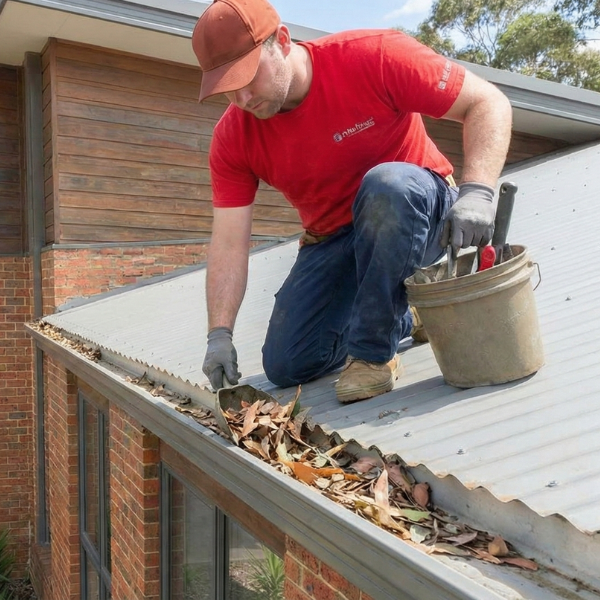
Grab a sturdy ladder (and ensure you follow all safety protocols, or better yet, call a professional!) to inspect your gutters. Are they completely clear of debris? A simple tennis ball left by the kids or a gradual buildup of gum tree leaves can block a downpipe completely. Look for:
- Leaves and Twigs: The obvious culprits.
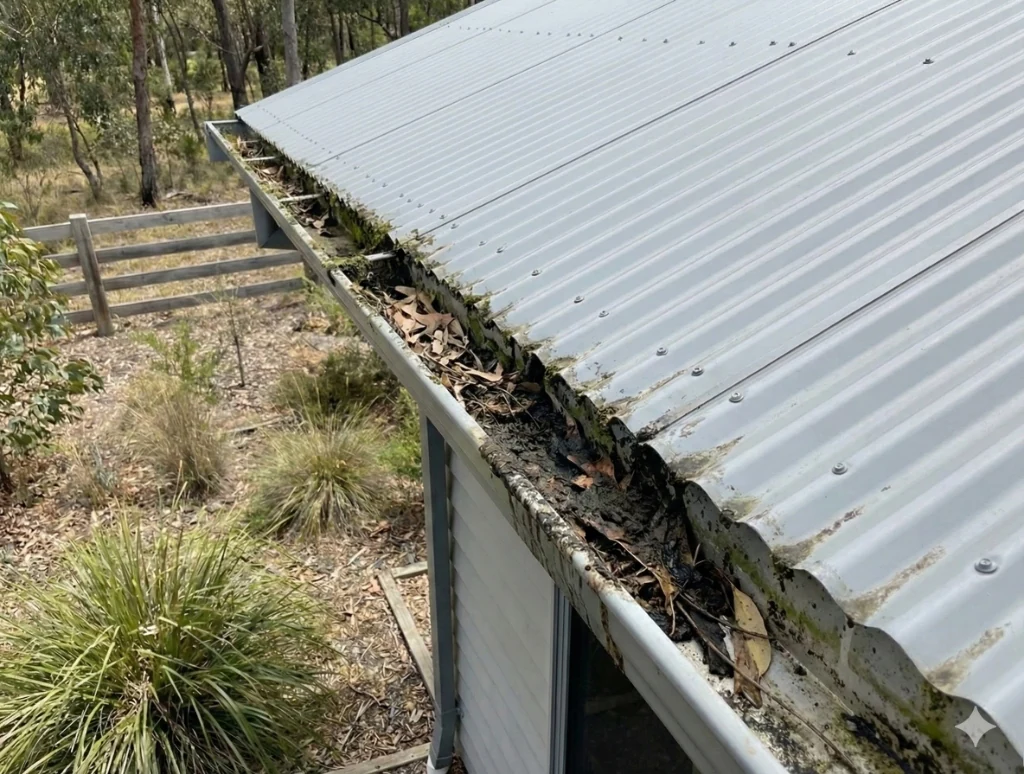
- Mud and Slurry: Especially after a dry spell, dust and decomposed leaves form a thick, heavy mud.
- Bird Nests/Animal Debris: Birds love to nest in gutters, and their nests can cause significant blockages.
- Sagging Gutters: This indicates a build-up of heavy debris or damaged brackets, preventing proper drainage.
- Blocked Downpipe Openings: The top of the downpipe is a common choke point.
The "Water Test": On a dry day, run a garden hose into your highest gutter. Watch the water flow. Does it move quickly toward the downpipe, or does it pool in sagging sections? Does the water exit the bottom of the downpipe freely? If the water backs up, you have a blockage that needs immediate attention. This simple test can save you a lot of grief.
Local Pro Tip: If you have large overlapping tree canopies (a common feature in suburbs like Aspley and Chermside), you need to check your gutters every 3 to 4 months, not just once a year. Those Eucalypts and Jacarandas are beautiful, but they're relentless debris producers!
2. Inspecting the Condition of Your Roof
Your gutters are only effective if your roof is intact. Algae, moss, and lichen hold moisture against your roof's surface. On a tiled roof, this persistent moisture degrades the protective glazing and can seep through hairline cracks. On a metal roof, it can accelerate corrosion.
Inspect your roof for:
- Cracked, broken, or slipped tiles: These are direct entry points for water.
- Rusted or lifting corrugated iron sheets: Rust compromises integrity, and lifting sheets can be torn off by strong winds.
- Damaged pointing or bedding on roof ridges: This mortar can crack and crumble, allowing water ingress.
- Heavy organic growth (moss and lichen): Not only does this hold moisture, but it can also lift tiles and block valleys.
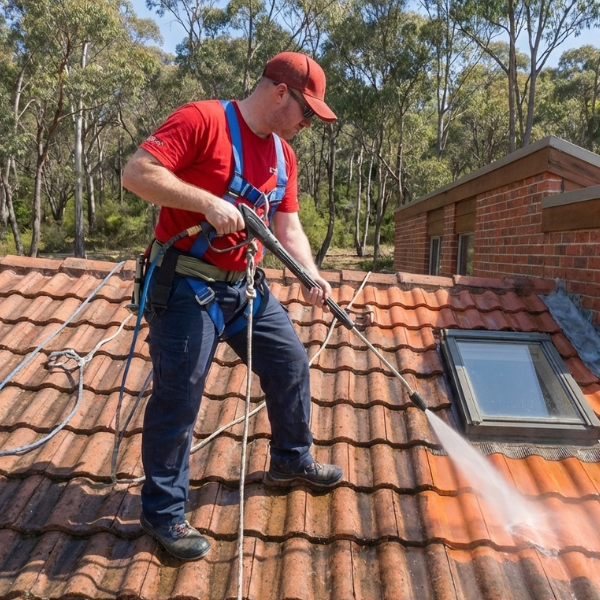
Soft washing your roof doesn't just improve your home's street appeal; it kills the organic growth that compromises your roof's integrity over time, safely and effectively, without the damage high-pressure cleaning can cause.
3. Trimming Overhanging Branches
The heavy winds of a Brisbane storm can snap large branches like twigs. Any branches overhanging your roof pose a massive risk. Not only can they cause severe impact damage, but they are also the primary source of the leaves and twigs that clog your gutters. Have an arborist trim back tree canopies so they are at least two metres away from your roofline. This is especially crucial for fast-growing species like Eucalypts and Fig trees common in older Brisbane suburbs.
4. Maximising Solar Panel Efficiency
Storm season means more cloudy days and less direct sunlight. You want your solar panels working at 100% efficiency when the sun does shine.
Heavy rain alone does not clean solar panels. In fact, a light shower can turn the accumulated dust, pollution, and bird droppings into a sticky, sunlight-blocking mud. This layer of grime can reduce your system's output by up to 20%. Professional solar cleaning before summer ensures you're generating maximum power to run your air conditioning when you need it most. Don't let dirty panels cost you money!
5. Checking Stormwater Drains
Your gutters connect to your downpipes, and your downpipes connect to your underground stormwater drains. If your stormwater drains are blocked by tree roots or compacted dirt, all the water will back up and flood your yard or lower living areas. Ensure surface grates are clear and water flows away from your home's foundation. Look for:
- Overflowing grates: A clear sign of a blockage further down the line.
- Slow draining water: Even after light rain, if water pools, there's an issue.
- Tree roots: A common culprit, especially in older suburbs with mature trees.
- Compacted dirt and silt: Builds up over time, reducing pipe capacity.
Understanding Your Gutter System: A Quick Explainer
To truly appreciate why maintenance is so critical, it helps to understand how your gutter system is designed to work.
- Gutters (or Eaves Troughs): These horizontal channels collect rainwater from your roof. They are typically sloped slightly towards the downpipes to ensure water flows efficiently.
- Downpipes (or Downspouts): These vertical pipes carry the collected water from the gutters down to ground level, directing it into your stormwater drainage system.
- Fascia Boards: The long, straight boards that run along the lower edge of the roof, directly behind the gutters. They protect the roof rafters and provide a mounting point for the gutters.
- Eaves: The part of the roof that overhangs the walls. Water backing up from blocked gutters often spills into the eaves, leading to rot and mould.
- Stormwater Drains: The underground pipes that carry water away from your property, usually to the street or a designated stormwater network.
Any interruption in this carefully designed flow, from a leaf in the gutter to a root in the stormwater drain, can lead to significant problems.
Why We Clean By Hand (And Why You Should Insist On It)
When booking a professional gutter clean in Brisbane, you'll find two main methods: Vacuum Cleaning and Hand Cleaning. At Sparkle Window Cleaning, we exclusively clean gutters by hand. Here's why hand cleaning is the only way to get a truly clean gutter system that's ready for a Brisbane storm:
1. Removing the Heavy, Compacted Sludge – The "Gutter Slurry" Problem
Over the dry winter months, the dirt, dust, and decomposed leaves in your gutters turn into a thick, heavy sludge – what we affectionately call "gutter slurry." When it rains, this mud hardens like concrete. Gutter vacuums are great at sucking up dry, loose leaves, but they often lack the sheer power to pull up this heavy, wet sludge lying at the bottom of the gutter profile. It's like trying to vacuum wet cement – it just doesn't work effectively.
That sludge is a major problem. It reduces the holding capacity of the gutter, stops water from flowing rapidly when torrential rain hits, and can even accelerate corrosion. We remove everything by hand—the dry leaves, the mud, the trapped water, and the heavy debris. This ensures your gutters are completely empty and ready to handle whatever the sky throws at them.
2. Comprehensive Visual Inspection – Your Gutter's Health Check
A technician pushing a vacuum pole from the ground cannot see the true condition of your gutters. They're essentially cleaning blind. When we clean by hand, we are up on the ladder, eye-level with your roofline. This allows us to inspect the structural integrity of your gutters and identify potential issues before they become costly repairs.
While hand cleaning, we actively check for:
- Rust spots or corrosion holes: Common in older metal gutters, these can lead to leaks.
- Broken or loose gutter brackets: These can cause gutters to sag or detach completely during heavy rain.
- Separation between the fascia board and the gutter: This indicates a structural issue that needs addressing.
- Blockages deep inside the neck of the downpipe: Often missed by vacuums, these are critical choke points.
- Signs of pest activity: Wasps' nests, ant colonies, or even rodent droppings can indicate other problems.
This thorough inspection is a crucial part of our service, providing you with a detailed report on the health of your entire roof drainage system.
3. The Final Flush – Proving the Flow
After removing all the debris by hand, we perform a final flush with water. This ensures that the fine dust is washed away and, most importantly, proves that every downpipe is running clear and free into the stormwater system. It's our way of guaranteeing that your system is 100% functional and ready for the storm season. Without this flush, you can never be truly sure if a downpipe is clear.
Comparison: Hand Cleaning vs. Vacuum Cleaning
| Feature | Hand Cleaning & Flushing | Gutter Vacuuming (From Ground) |
|---|---|---|
| Removes Heavy Sludge/Mud | Yes, completely | Often struggles |
| Visual Inspection for Damage | Yes, close-up inspection | No, operator cannot see inside |
| Checks Downpipe Flow | Yes, via water flush | Rarely |
| Removes Debris Stuck Under Tiles | Yes | No |
Suburb Spotlight: The "Tree Profile" Challenge in Brisbane Northside
Brisbane Northside is a diverse area, and the type of debris your gutters collect often depends on your specific suburb's tree profile. Understanding this helps you anticipate your cleaning needs.
- The Gap / Bardon / Paddington: These areas are dominated by Eucalypts (gum trees) and Jacarandas. Eucalyptus leaves are oily and decompose into a heavy sludge that sticks to everything. Jacaranda needles are tiny and pass through most gutter guards, requiring a meticulous flush to remove the fine, silty build-up.
- North Lakes / Griffin / Dakabin: These are newer suburbs with fewer large, mature trees, but high amounts of construction dust and fine sand. This dust settles in gutters and, when wet, turns into a heavy, compacted deposit that acts like a dam, preventing water flow.
- Sandgate / Redcliffe / Scarborough: Coastal salt spray mixes with dust and fine sand to create a corrosive layer that must be washed away regularly to prevent premature gutter failure and rust. The strong coastal winds also mean more airborne debris.
- Chermside / Aspley / Bridgeman Downs: These established suburbs often have a mix of large native trees and introduced species. The sheer volume of leaves, bark, and seed pods from mature trees like Figs, Mangoes, and Eucalypts means frequent, thorough cleaning is essential.
The Hidden Dangers of DIY Gutter Cleaning
While it might seem like a simple job, cleaning your own gutters comes with significant risks, especially for the average homeowner.
- Falls from Heights: Ladders are inherently dangerous. A slip, a wobbly ladder, or an unexpected gust of wind can lead to serious injury or worse. Professionals have safety training and equipment.
- Roof Damage: Walking on roofs, especially tiled ones, can easily lead to cracked tiles, dislodged capping, or damage to solar panels. This can create new leak points.
- Electrical Hazards: Unseen or damaged electrical wiring in the eaves can pose a severe electrocution risk, particularly when combined with water.
- Pest Encounters: You might disturb wasps' nests, spiders, or even snakes seeking shelter in your gutters or roof cavity.
- Ineffective Cleaning: Without the right tools and experience, you might only remove surface debris, leaving the critical sludge and blockages behind.
For these reasons, we always recommend leaving gutter cleaning to the professionals. It's not just about convenience; it's about safety and ensuring the job is done right.
Beyond Gutters: Other Storm Season Preparations
While gutters are our specialty, a truly storm-ready home involves a few other key considerations:
- Secure Outdoor Items: Anything that can become a projectile in high winds – outdoor furniture, trampolines, bins, garden tools – should be secured or brought inside.
- Check Windows and Doors: Ensure seals are intact and locks are secure. Consider installing storm shutters if you're in a particularly exposed area.
- Emergency Kit: Have a kit ready with water, non-perishable food, a first-aid kit, a battery-powered radio, and torches.
- Insurance Review: Check your home insurance policy to ensure you have adequate coverage for storm and flood damage.
What Our Local Customers Say
We've helped hundreds of homeowners across the northern suburbs prepare for summer. Don't just take our word for it!
"Absolutely brilliant service! They came out to our place in Redcliffe just before the massive storm hit in December. Not only did they clear out three years' worth of leaves, but they also spotted a loose bracket that would have definitely caused our gutters to collapse. Highly recommended, reliable, and very professional." — Sarah T., Redcliffe
"Michael and the team did a fantastic job on our place in Aspley. Our gutters were absolutely chocker with gum leaves and mud. They were super thorough, cleaned up all the mess, and even pointed out a few cracked tiles we hadn't noticed. Now we feel much better about the upcoming storm season. Cheers, Sparkle!" — David M., Aspley
Verdict: Sleep Soundly Through the Next Storm
When the thunder starts rolling in tonight, you shouldn't be lying in bed worrying about whether your ceiling is going to cave in. You should be sleeping soundly, knowing your home is fully prepared and protected.
Don't wait for the water to start dripping through your downlights. Preventative maintenance is always cheaper, faster, and less stressful than emergency storm repairs. A small investment now can save you thousands of dollars and a whole lot of heartache down the track.
Ready to Storm-Proof Your Home?
Join hundreds of satisfied locals in Brisbane Northside who trust us to keep their gutters flowing freely before the season hits. We're here to help you protect your biggest asset.
What our customers say on Google
5.0 out of 5105 Google reviews“Great service and very professional. The windows look spotless and the attention to detail was excellent. Highly recommend”
Google rating checked 22 October 2026.
About the Author
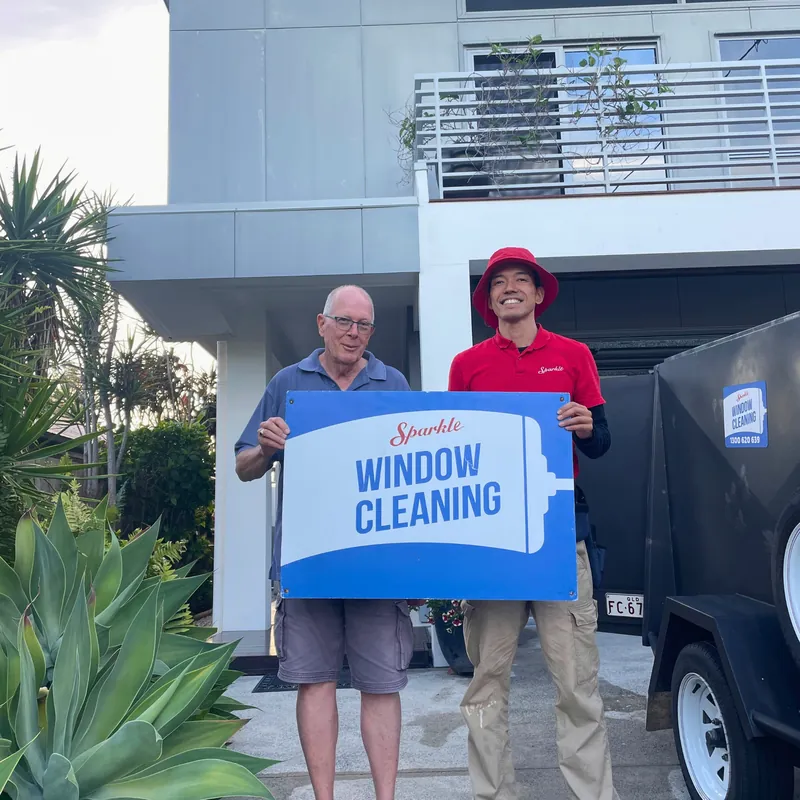
Michael
Founder & Lead Technician
Michael is the driving force behind Sparkle Window Cleaning. With years of experience serving the Brisbane Northside community, he is dedicated to providing high-quality exterior cleaning services with a focus on reliability and customer satisfaction.
Related Services
Explore our other professional exterior cleaning services