The Hidden Dangers of High-Pressure Cleaning on Tiled Roofs
The Hidden Dangers of High-Pressure Cleaning on Tiled Roofs
When you look at your home from the street, your roof is one of the most prominent features. It’s also one of the most critical. It stands as the primary shield against the relentless Queensland sun, the sudden summer downpours, and the occasional hailstorm.
However, many Brisbane homeowners in suburbs like Aspley, Chermside, and Kedron are unknowingly sabotaging their roofs in the name of "cleaning."
If you’ve seen an ad on a local community group offering "industrial-grade high-pressure roof cleaning" at a bargain price, be very careful. What looks like a transformation today could be the beginning of a five-figure roof replacement bill tomorrow. Choosing a safe, professional roof cleaning method is the single best way to avoid that outcome.
In this comprehensive 2,000-word guide, we’ll dive deep into the mechanical and structural reasons why high-pressure washing is the enemy of your roof, and why Soft Washing is the only safe way to restore your property’s beauty.
Protect Your Biggest Asset!
Don't let high-pressure damage compromise your home. Get a safe, long-lasting, and expert soft-wash roof restoration. Request your free roof assessment today.
The Mechanics of Destruction: Why Pressure Kills Tiles
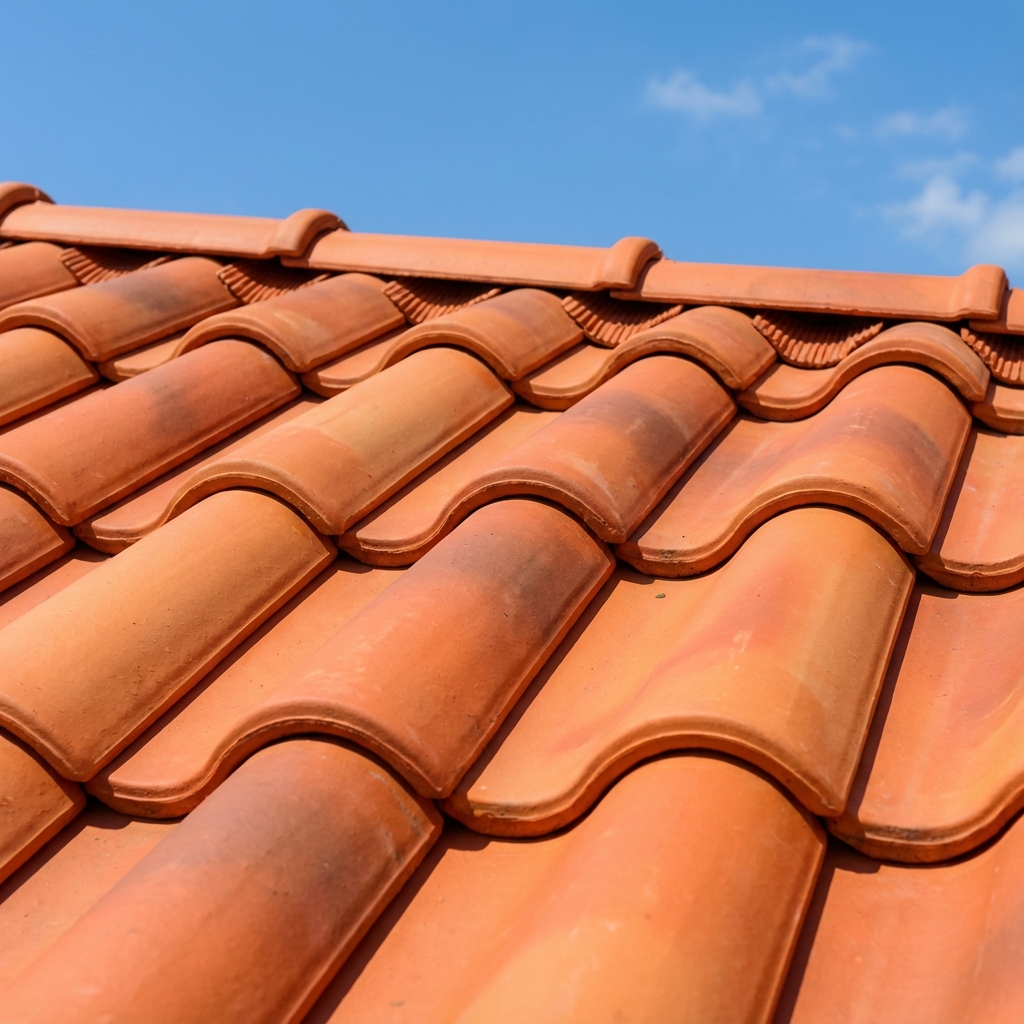
Australian terracotta and concrete tiles are designed to be incredibly durable. They are built to withstand 50+ years of vertical pressure from wind and water. However, they are not designed to withstand horizontal or upward force from an industrial pressure washer firing water at 4,000 PSI (Pounds per Square Inch).
Here is exactly what happens when that high-pressure stream hits your roof in the harsh Brisbane environment:
1. Stripping the Protective Glaze & Slurry
Tiled roofs come from the factory with a specialised protective coating or "glaze." In terracotta tiles, this glaze is what makes them waterproof. In concrete tiles, it’s the primary barrier against the elements.
A high-pressure washer is essentially a water-powered sandblaster. It creates enough friction to strip this glaze right off the surface. Once the glaze is gone, the tile becomes porous. In the high humidity of South East Queensland, a porous tile is a death sentence for your roof's appearance. It starts absorbing moisture like a sponge, which leads to:
- Increased Weight: A saturated roof adds tonnes of unnecessary stress to your timber trusses.
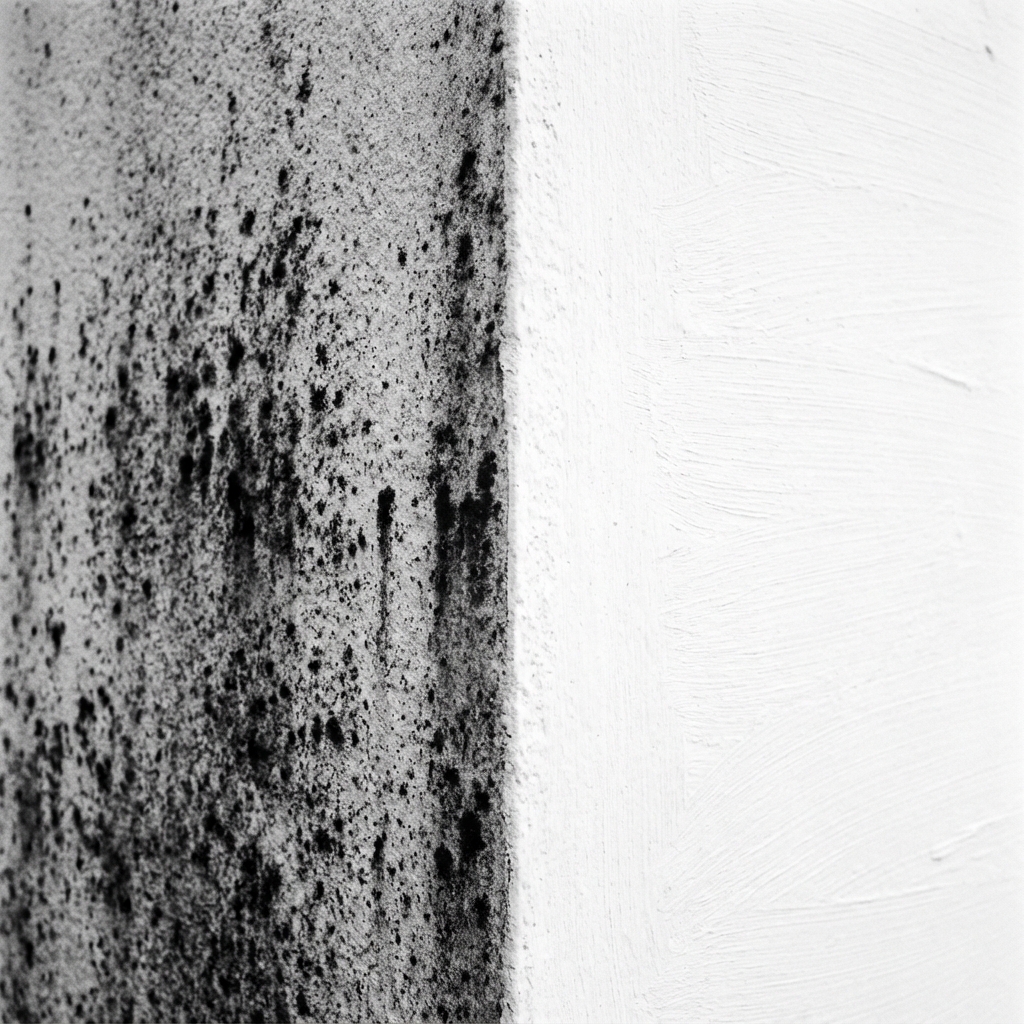
- Micro-Climate for Algae: The damp tile becomes a breeding ground for Gloeocapsa Magma (the black streaks you see on roofs).
- Structural Decay: Constant moisture absorption and drying cycles (common in Brisbane's summer) lead to premature "spalling" where the tile surface actually flakes off.
2. The Creation of Micro-Fractures
You might not see them from the ground, but under a microscope, a pressure-washed tile is covered in millions of tiny cracks called "micro-fractures." These fractures occur because the intense pressure forces the water into the microscopic air pockets of the tile, expanding them until the material snaps.
These micro-fractures become perfect "anchor points" for new moss and lichen to grow. Much like how a climber uses cracks in a cliff face to gain a foothold, moss spores use these fractures to anchor themselves so deeply that they can’t be removed without further damaging the tile.
3. Destruction of Ridge Capping, Mortar, and Pointing
The ridge caps (the tiles that sit along the top peaks and valleys of your roof) are held in place by a mixture of cement and "pointing" compound. While modern flexible pointing is better, many older homes in Aspley, Chermside, and Kedron still have original cement mortar.
High-pressure water easily blasts holes in this mortar. We’ve seen cases where incompetent cleaners have literally blown the entire ridge cap off the roof or loosened it so much that it rattled in the next storm. Blasted-out mortar leads to loose tiles, which leads to immediate water ingress into your roof cavity, often ruining your insulation and ceiling plaster before you even know there's a leak.
4. Water Ingress: The Sub-Surface Flood
Tiled roofs are designed to shed water downward. Pressure washers are often operated at angles that shoot water upward or sideways into the overlaps between tiles.
Even if your tiles don't break, high-pressure washing can force hundreds of litres of water directly into your ceiling space. This bypasses your sarking (if you even have it) and soaks your electrical wiring, insulation, and ceiling sheets. We've seen "cleaners" leave a property looking bright, only for the homeowner to find a soggy, sagging ceiling in the master bedroom the next morning.
The "Dirty Secret": Why Pressure Washing Doesn't Actually Clean
Wait, surely it looks clean?
Yes, for a few months. But here's the dirty secret that "budget" pressure cleaners won't tell you: Pressure washing is only a surface-level "haircut" for your roof’s organic growth.
The "Dandelion" Effect
Think of moss and lichen like weeds in your garden. If you only cut the top off a dandelion but leave the taproot, what happens? It grows back, often stronger.
High-pressure water effectively "mows" the green fuzzy part of the moss, but it leaves the microscopic root system (called "rhizoids") deep inside the pores of the tile. Because you’ve just saturated the tile and stripped its protective coating, you’ve created the perfect, damp, porous nursery for that moss to return.
In the Brisbane Northside, we frequently see roofs in Bridgeman Downs and Clayfield that have been pressure washed, only to have the lichen return—thicker and more aggressive—within nine to twelve months. It’s a vicious cycle of damage and regrowth that only ends when the tiles are replaced.
Spore Distribution
When you blast a roof with 4,000 PSI, you aren't just removing moss; you are atomising millions of microscopic spores into a fine mist. This mist then settles on your gutters, your driveway, your patio, and even your neighbour’s roof. By pressure washing one section, you are essentially "seeding" the rest of your property for future organic growth.
Comparing the True Costs: Soft Washing vs. High Pressure
Local homeowners are often tempted by the lower price tag of a "guy with a pressure washer" they found on a pole or a local Facebook group. But when you look at the true financial comparison over a decade, the "cheap" option is actually the most expensive mistake you can make.
Let’s look at a 10-year financial projection for a standard 4-bedroom home in the Brisbane Northside:
| Factor | High-Pressure Washing (The "Budget" Way) | Professional Soft Washing (The Sparkle Way) |
|---|---|---|
| Initial Cost | $300 - $500 | $600 - $900 |
| Duration of Results | 6 - 9 Months (Regrowth starts fast) | 3 - 5 Years (Spores are dead) |
| Risk of Tile Damage | Extremely High (Fractures & stripping) | Zero |
| Impact on Roof Life | Reduces life by 5-10 years per wash | Extends life by preserving tiles |
| Long-Term Savings | Expensive (Requires frequent repeat) | High (Less frequent service) |
| Water Usage | 1,500L - 3,000L | Targeted application + gentle rinse |
The Bottom Line: Over a 10-year period, a pressure-washed roof will need at least 8-10 treatments to stay "visually clean," costing you over $4,000 and leaving your tiles brittle and porous. A professional Soft Wash treatment performed twice in those same 10 years will cost you less than half that amount, with zero risk to your home's structure.
Suburb Spotlight: Why Ascot, Clayfield, and Sandgate Need Extra Care
If you live in a heritage-listed or older character home in Ascot, Clayfield, or Sandgate, your roof is likely made of original terracotta. These heritage tiles are a hallmark of Brisbane’s architectural history—they are beautiful, valuable, and unfortunately, quite fragile after 50+ years of salt spray and sun.
Using high pressure on a 60-year-old terracotta tile is like using a sledgehammer to dust a porcelain vase. These tiles have faced decades of weather; they are naturally more brittle. A single pass with a pressure washer can cause dozens of tiles to snap or "delaminate" (where the layers of the tile separate).
For these properties, Soft Washing is the only responsible option. It preserves the historic aesthetics of your home without the catastrophic risk of a ceiling collapse during the next summer thunderstorm.
The Structural Integrity Phase: More Than Just a Clean
When we perform a roof restoration at Sparkle Window Cleaning, we don't just "wash." We treat the roof as a system.
Inspecting While We Treat
Because our soft-wash method allows our technicians to work more closely and methodically (without being blinded by a cloud of high-pressure mist), we naturally inspect your roof. We look for:
- Slipped tiles that could cause hidden leaks.
- Cracked ridge capping mortar.
- Blocked "weep holes" in the ridge capping.
- Gutter alignment issues.
We believe that a "cleaning" service should leave your home in better structural shape than we found it. Constant high-pressure blasting does the exact opposite—it hides damage until it’s too late.
Beyond Aesthetics: The Health and Efficiency Benefits
A clean roof isn't just about looking good for the neighbours; it has real-world benefits for your family and your wallet.
1. Improved Solar Efficiency
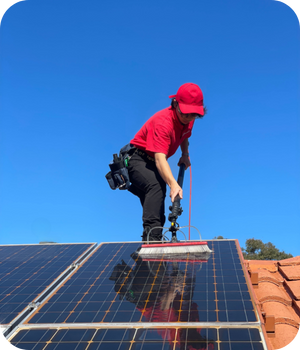
If you have solar panels (which most of us do in Queensland!), a mossy roof is your panels' worst enemy. Moss and lichen store moisture, which leads to higher humidity around your panels and can even bridge the gaps between cells. Furthermore, the spores from your dirty roof will constantly settle on your panels, reducing their output. We recommend a professional solar panel clean alongside every roof wash to maximise your energy savings.
2. Cleaner Rainwater for Tanks
If you harvest rainwater, you definitely don't want moss and algae sludge in your tank. Soft washing eradicates the organics, ensuring that the water running off your roof into your tanks is as clean as possible.
3. Reduced Thermal Load
Black algae (Gloeocapsa Magma) thrives on roofs because it feeds on the limestone in tiles. It also acts as a dark heat-sink. A roof covered in black streaks absorbs significantly more heat from the sun, making your attic hotter and forcing your air conditioning to work harder. Cleaning your roof actually helps keep your home cooler in the 35°C Brisbane heat.
What Our Brisbane Customers Say
"We were horrified when a 'budget' cleaner blasted the ridge capping right off our roof in Chermside. We called Sparkle Window Cleaning to see if they could fix the mess. Michael explained the damage high pressure does and treated the rest of the roof with their soft-wash system. The difference is incredible. The moss is gone, the tiles look rich in colour again, and most importantly, we didn't have any leaks during the last storm. Lesson learned!" — Robert & Diane G., Chermside
Verdict: Don't Trade Today's Clean for Tomorrow's Bill
Your roof is the most expensive single component of your home's exterior. Don’t trust it to someone who only understands "blasting."
Professional Soft Washing is the smarter, safer, and ultimately cheaper way to keep your home looking magnificent while protecting your family's safety. It’s an investment in your home's longevity, not just a cosmetic fix.
Ready for a Safe Roof Transformation?
Restore your home's curb appeal without the risk of high-pressure damage. join hundreds of satisfied Brisbane Northside homeowners who trust our Soft Wash system.
5-Star feedback from Brisbane homeowners on Google
"Absolute legends — left every window spotless." — Brisbane North customer
About the Author
Michael
Founder & Lead Technician
Michael is the driving force behind Sparkle Window Cleaning. With years of experience serving the Brisbane Northside community, he is dedicated to providing high-quality exterior cleaning services with a focus on reliability and customer satisfaction.
Related Services
Explore our other professional exterior cleaning services